
Hale Nā Kōnāhuanui
Client: Department of Hawaiian Home Lands (DHHL)
Principal Investigator: Hyoung-June Park PhD
Cultural Specialist: Ikaika Bantolina
DETAILS
- Hyoung-June Park
- Complete
- Hyoung-June Park
- Honolulu
- Department of Hawaiian Home Lands (DHHL)
DISSEMINATION
DESCRIPTION
Hale Nā Kōnāhuanui
Client: Department of Hawaiian Home Lands (DHHL)
Principal Investigator: Hyoung-June Park PhD
Cultural Specialist: Ikaika Bantolina
Student Project Assistants: Anson Kimura Jr, Mailiokawailelenani Mckeague, and Nathaniel Shih
2026 ARCH 342 Studio students: Keoni Andrei Agapay, Richelle Joy Ayala, Avery Burton, Jing Tong Chen, Jingwen Chen, Jennifer Do, Joshua Luke Ishimine, Grace Langley, Mailiokawailelenani McKeague, Bella Oliver, Katelyn Pagsolingan, Rachel Petersen, Austin Sandi, Nathaniel Shih, Micah Shikada, Mackenzie Tennal
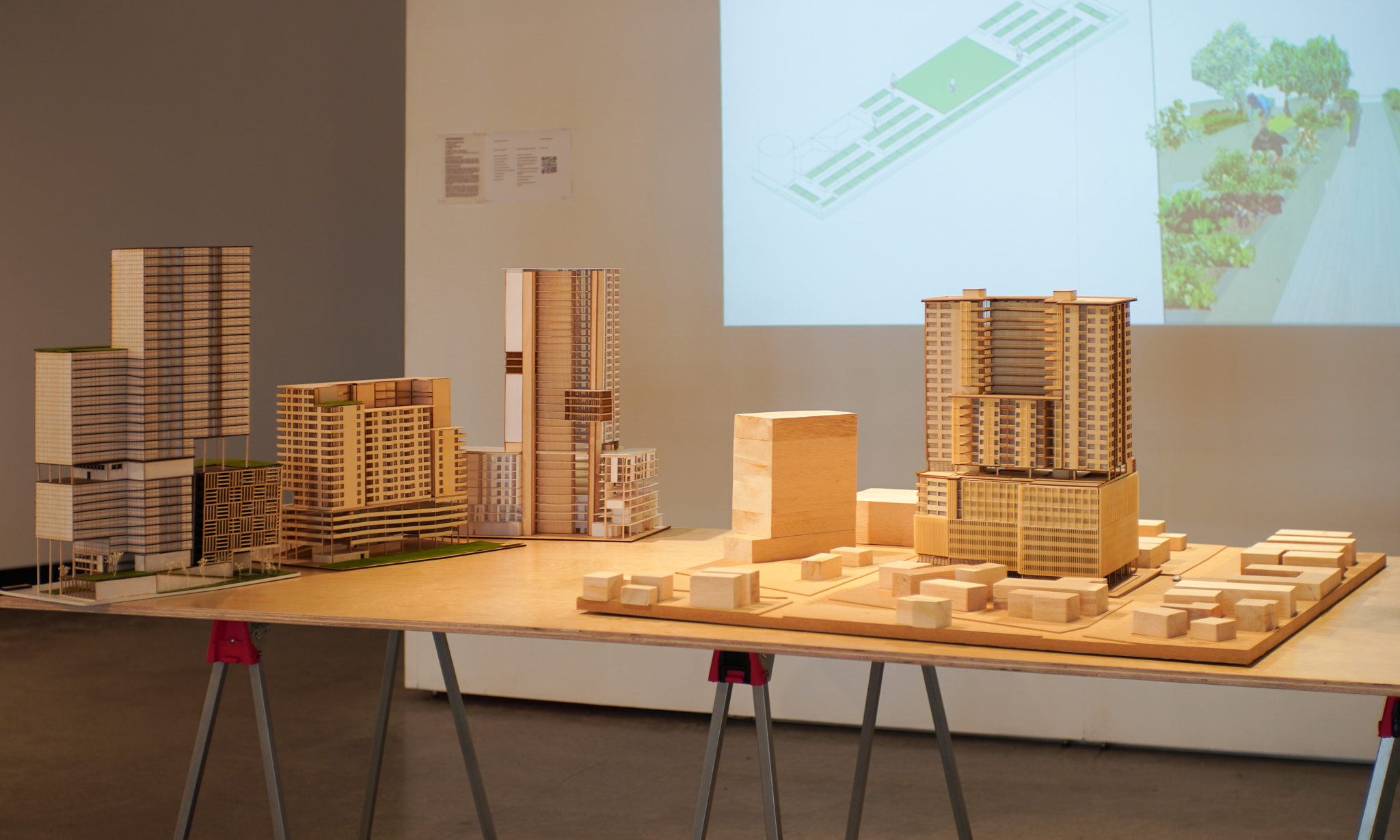
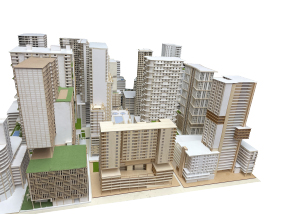
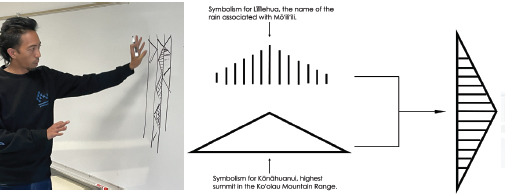
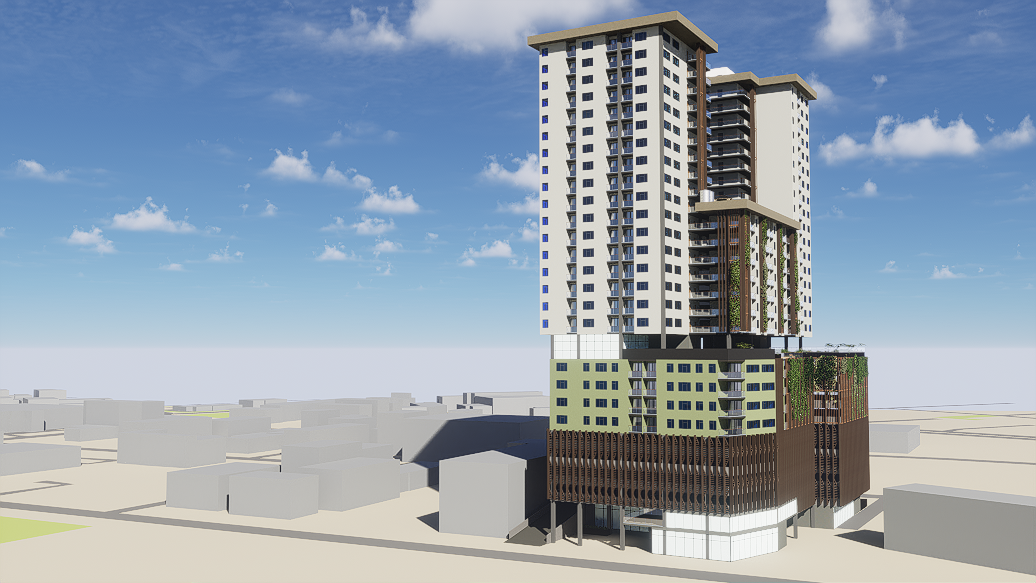
Hale Nā Kōnāhuanui, translated as “The Home of the Great Summit,” is a high-density, mixed-use residential project developed to address the urgent need for affordable housing for Native Hawaiian families. The site is located at the intersection of Isenberg, Date, and Coolidge streets in Honolulu's McCully-Mōʻiliʻili neighborhood on Oahu, Hawaii.
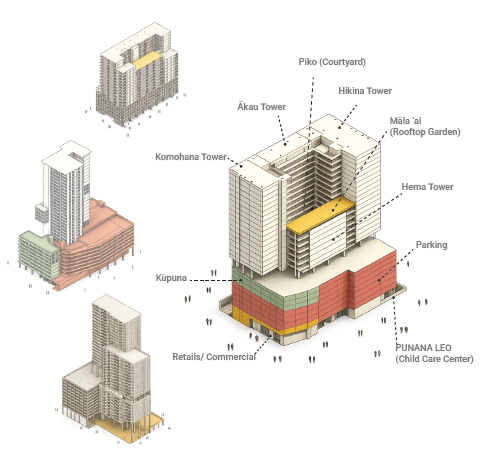
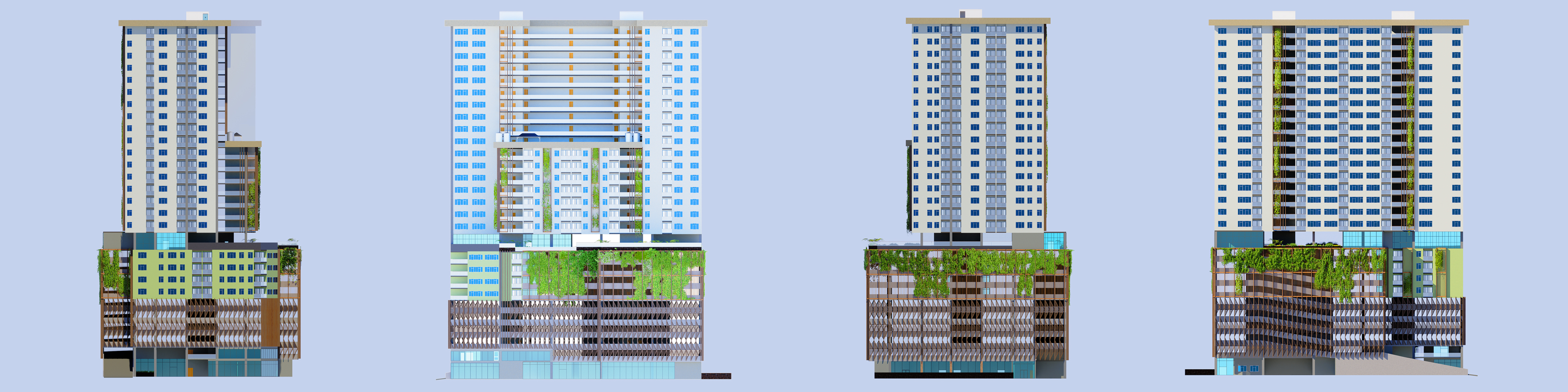
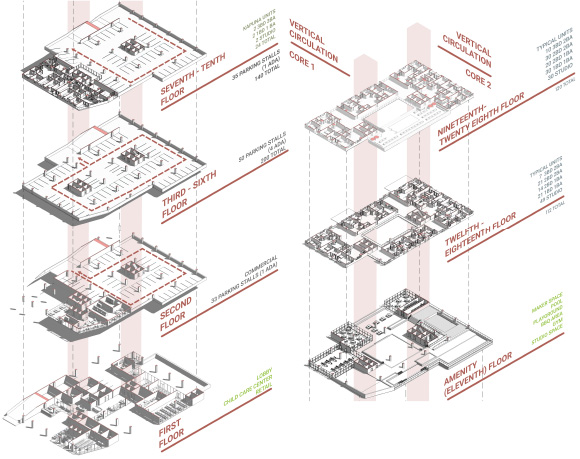
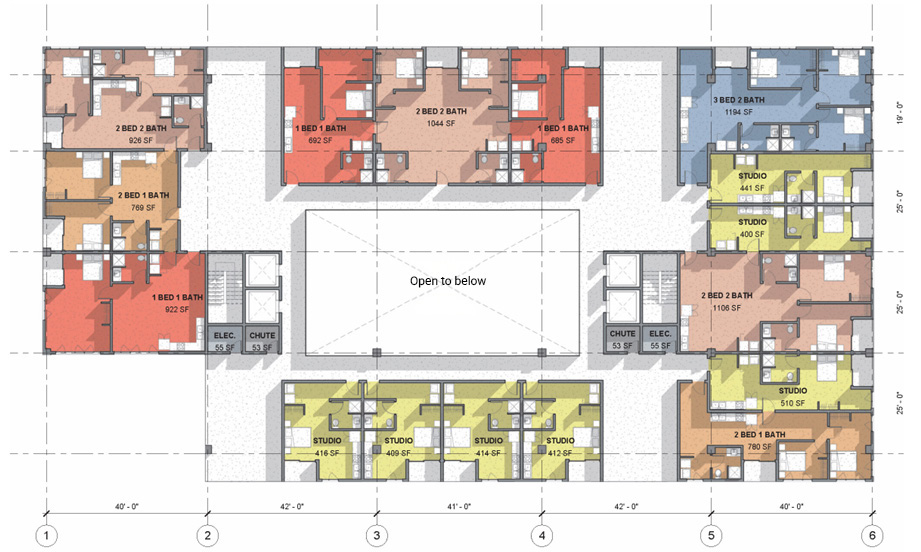
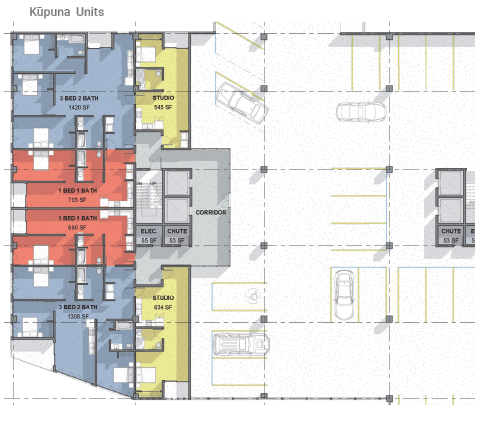
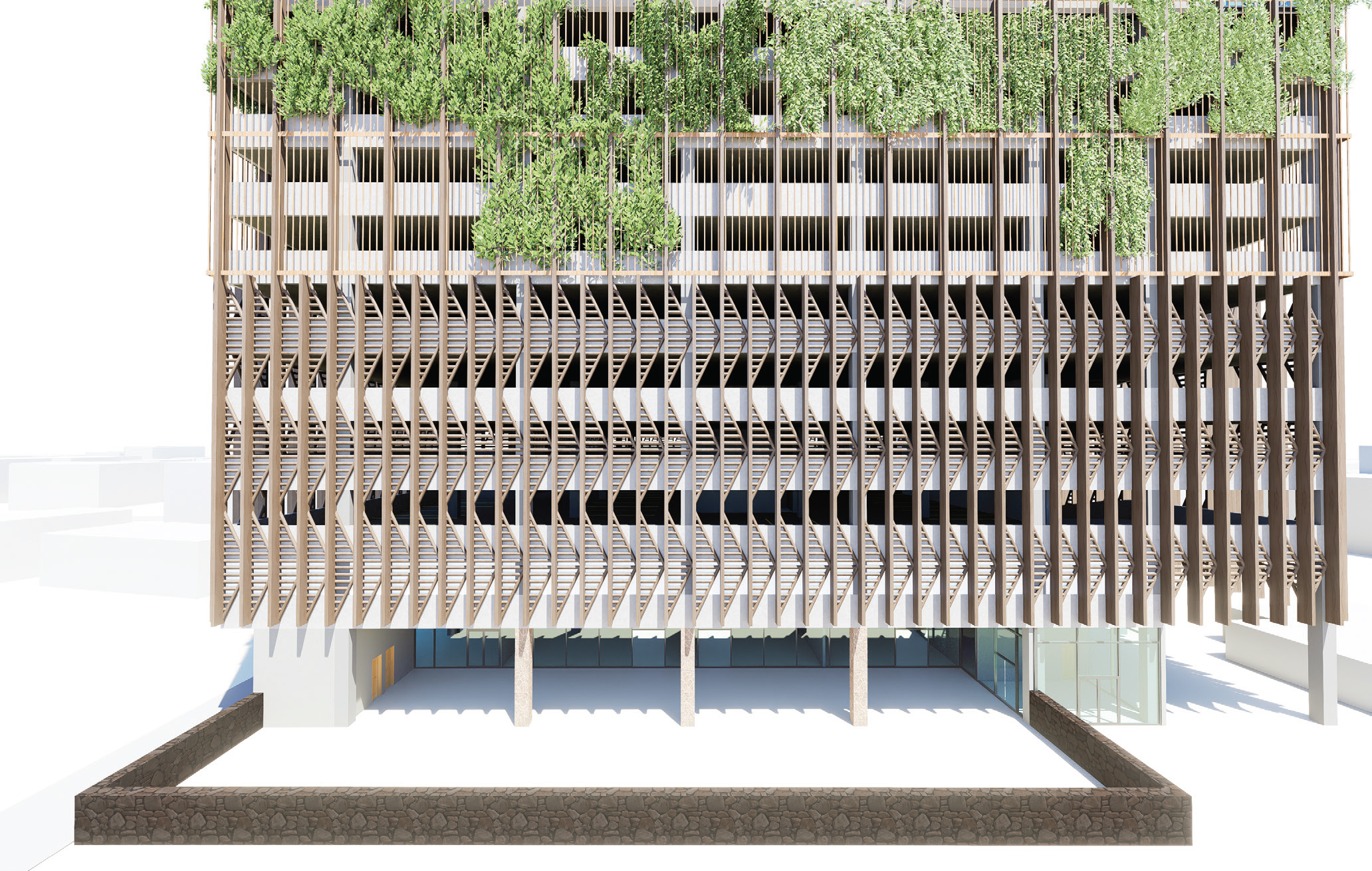
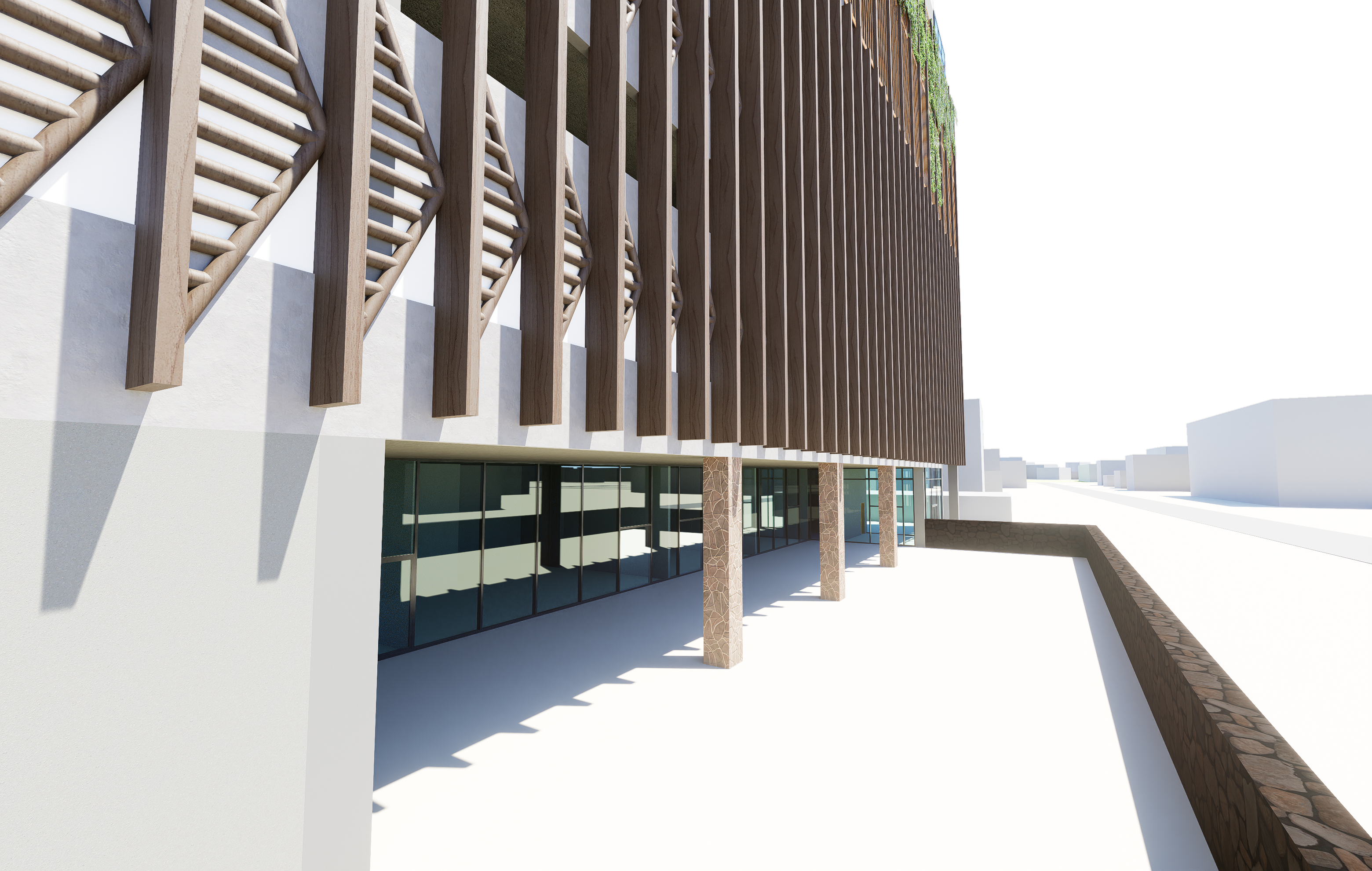
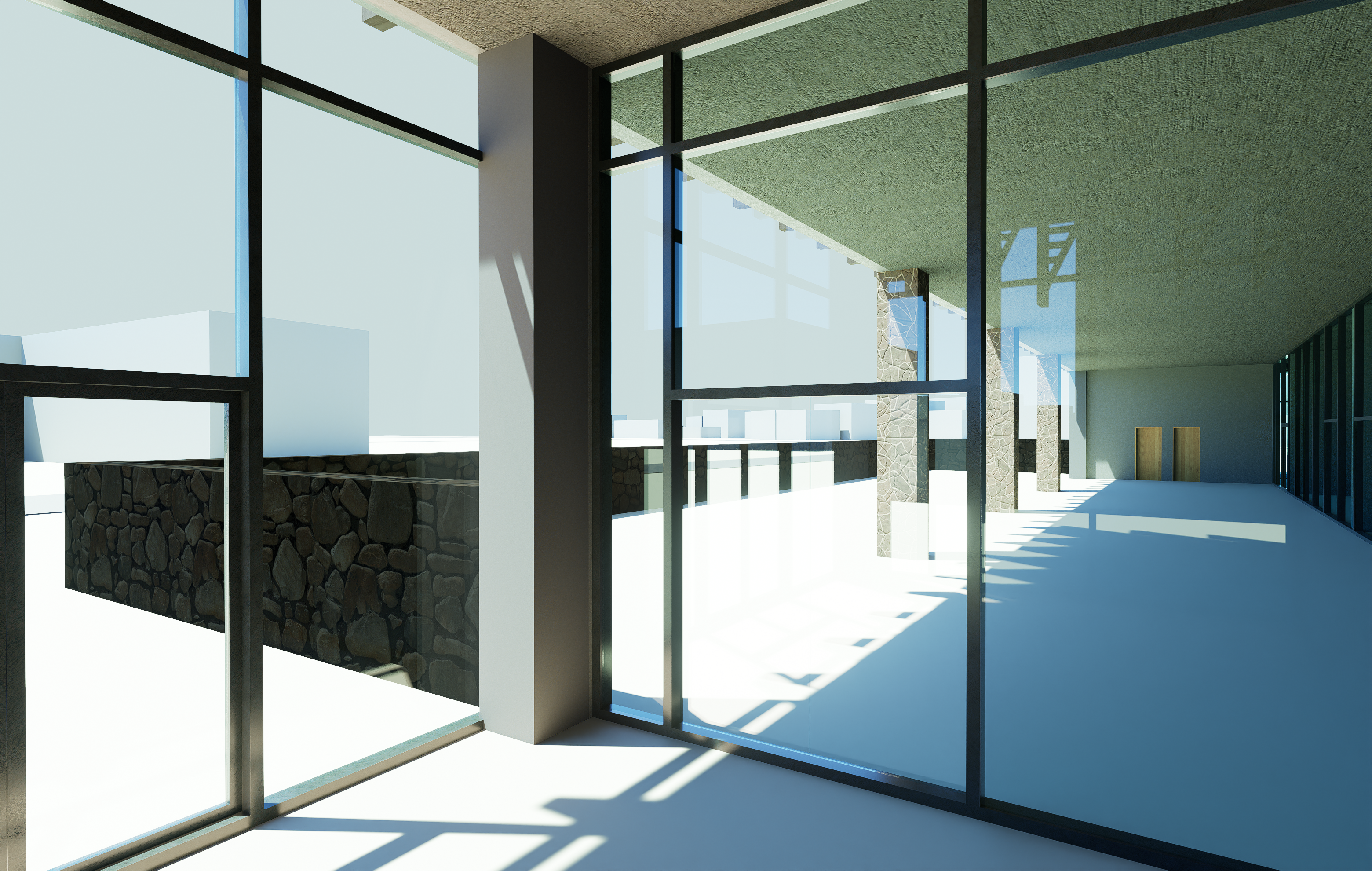
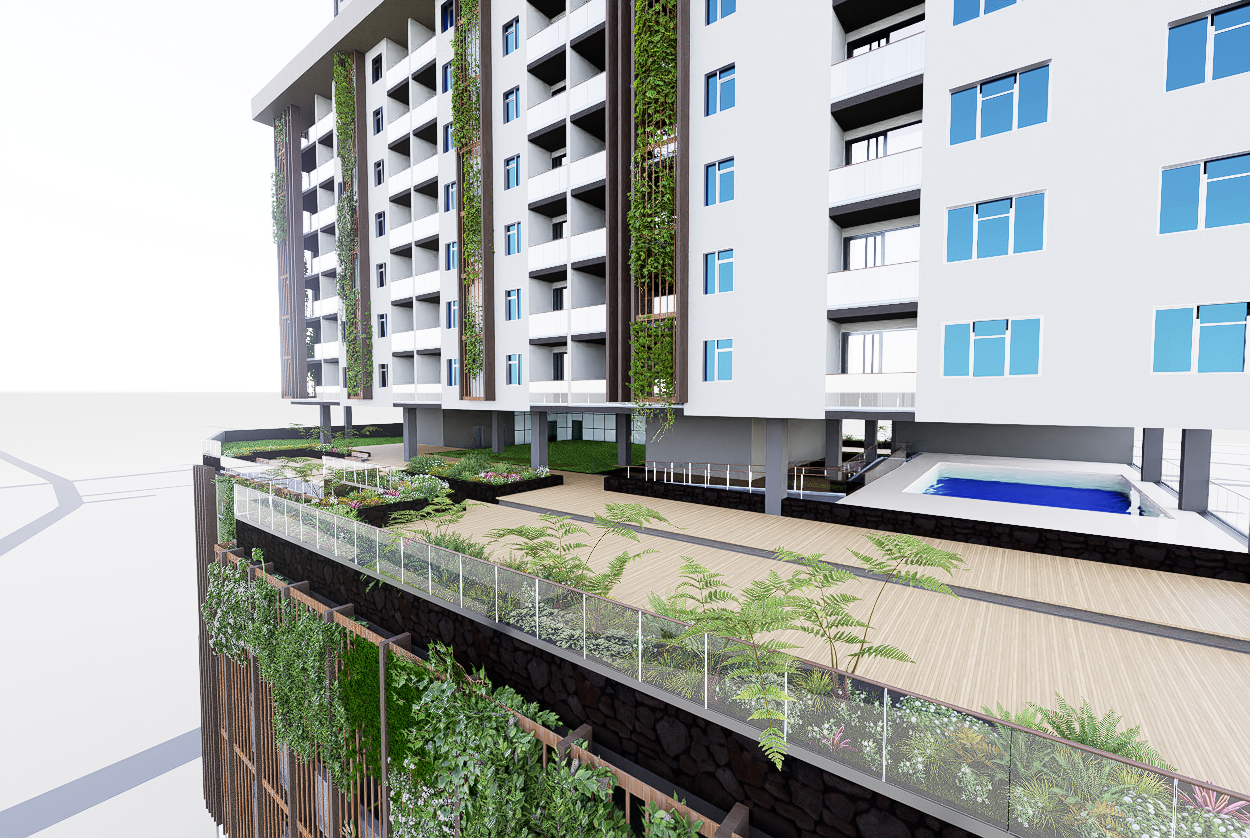
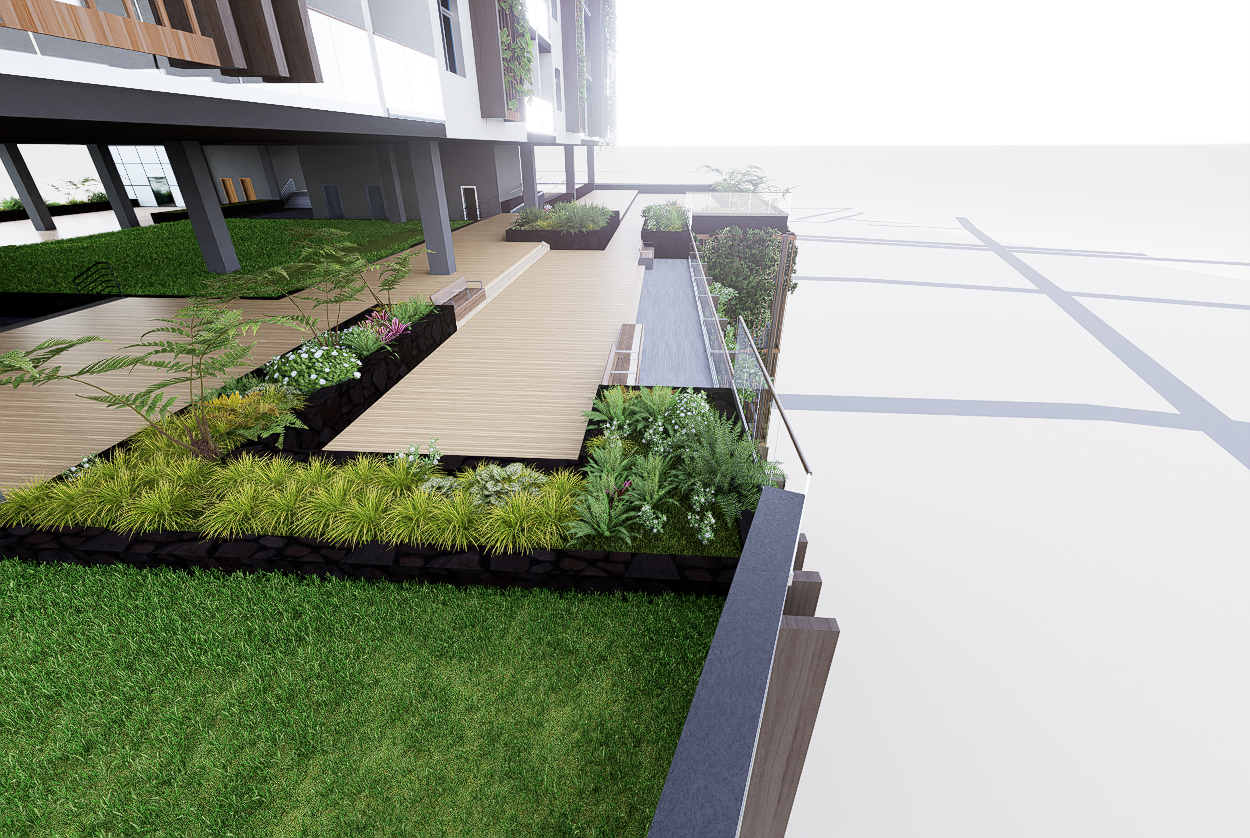
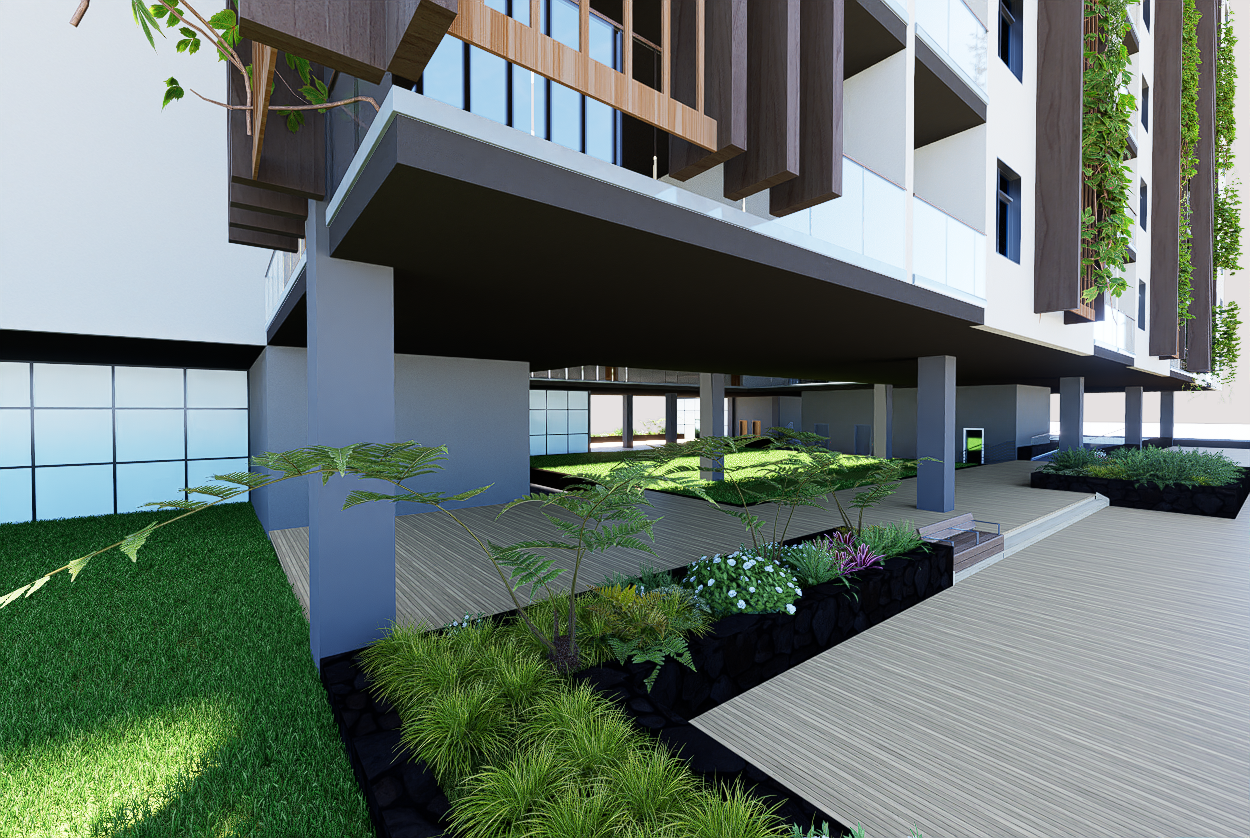
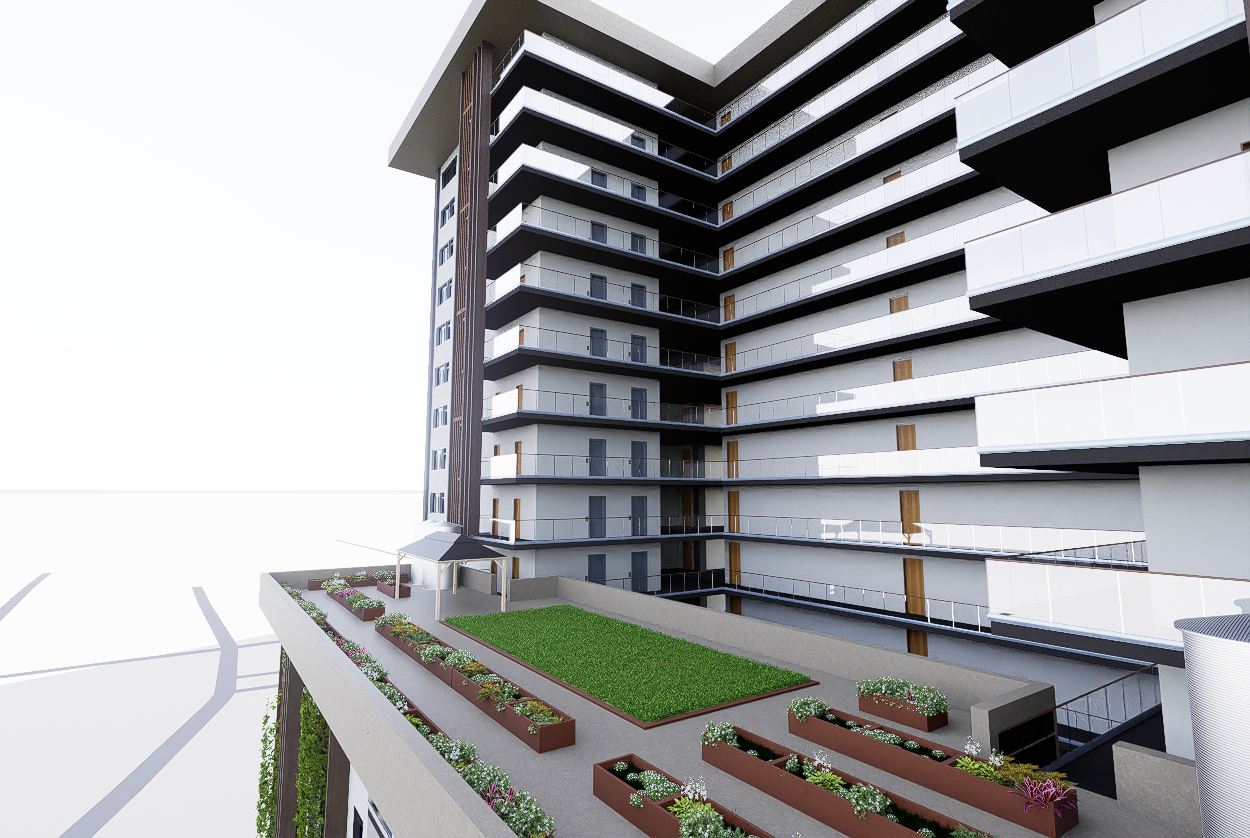
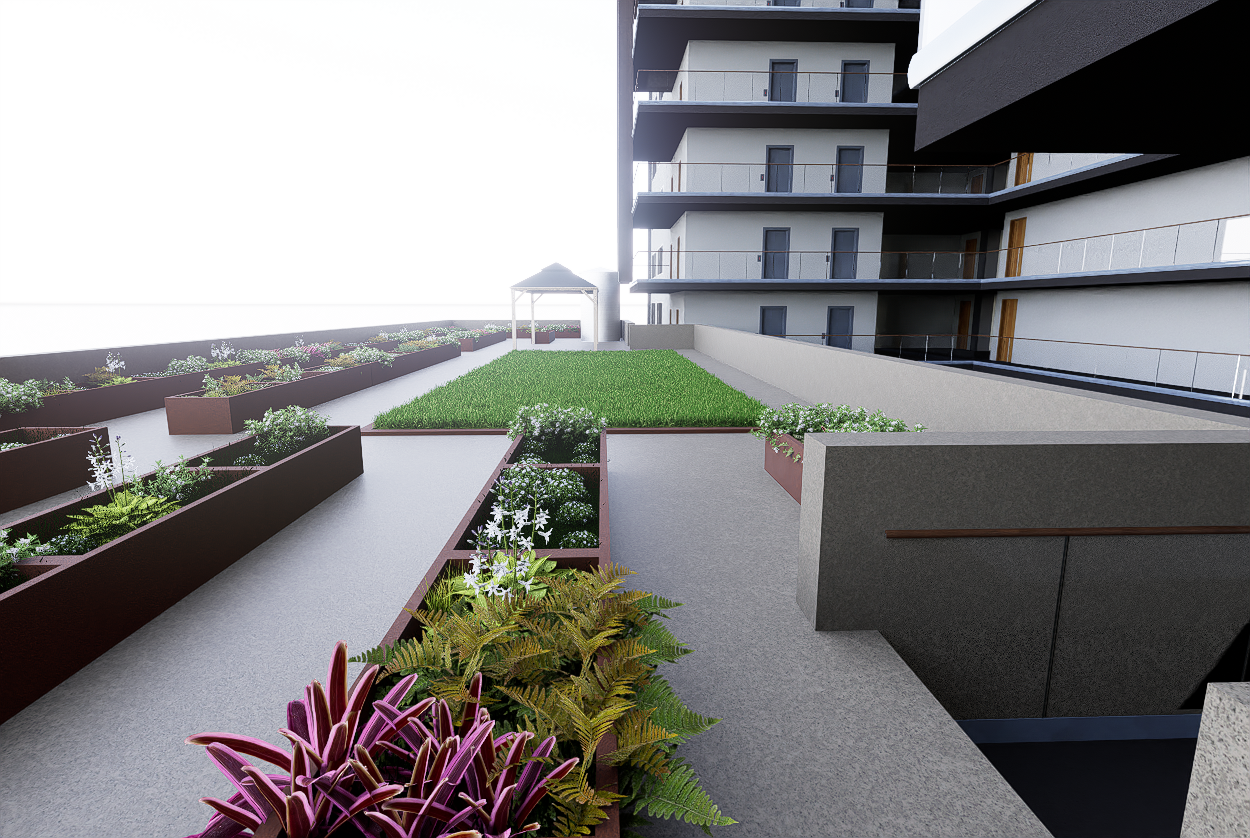
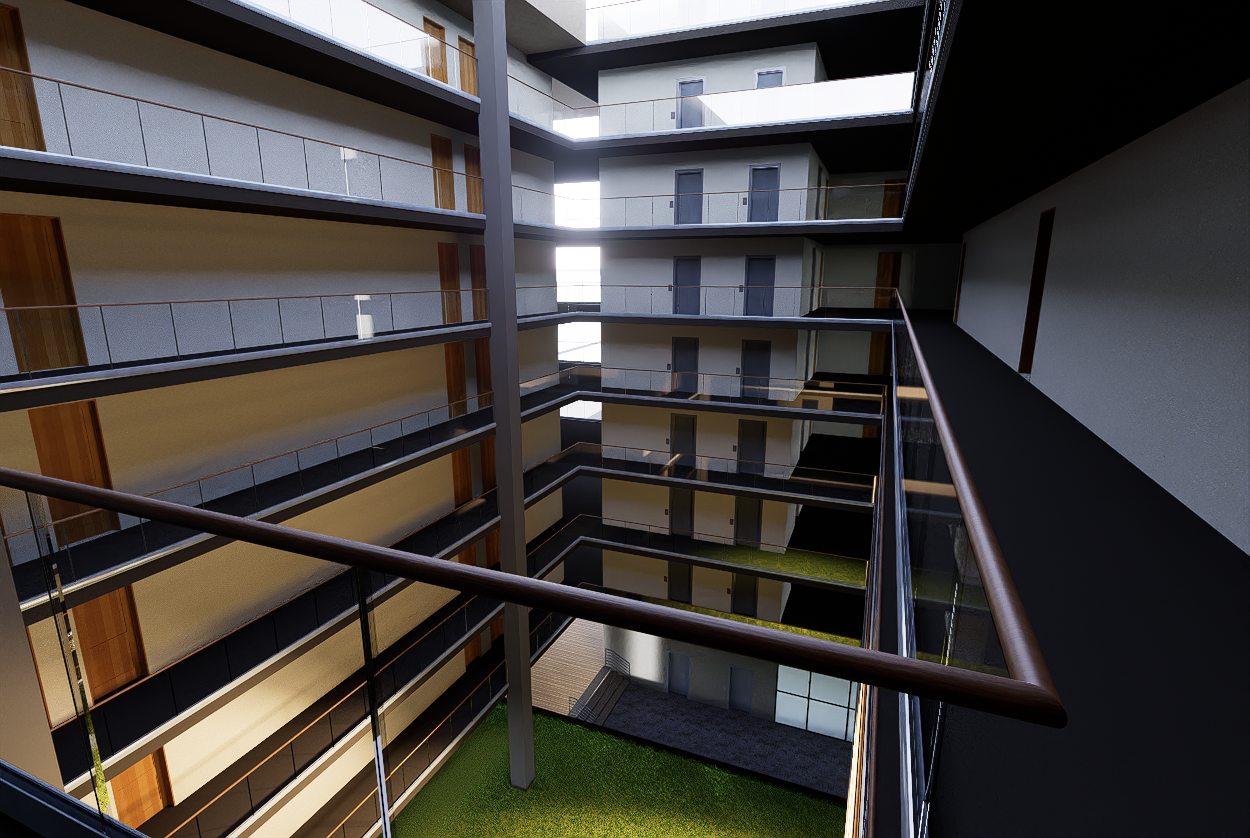
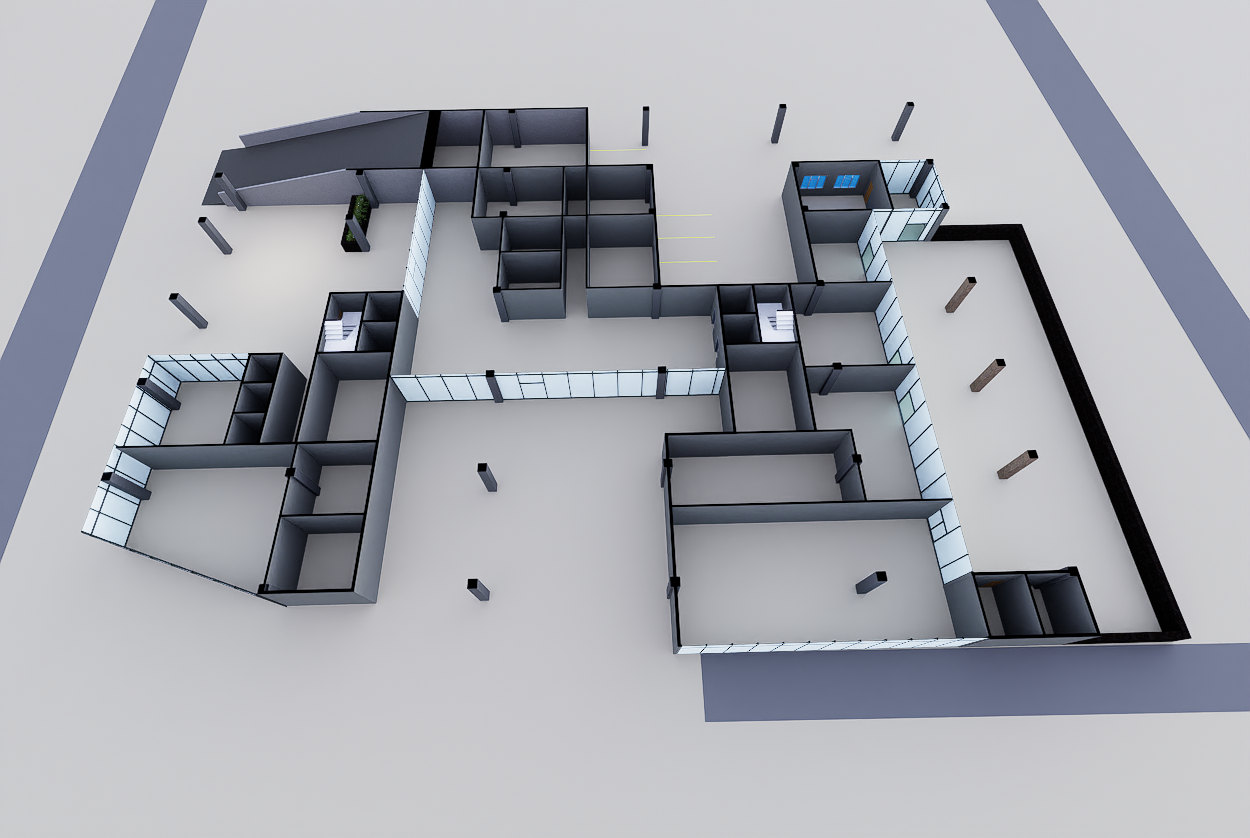
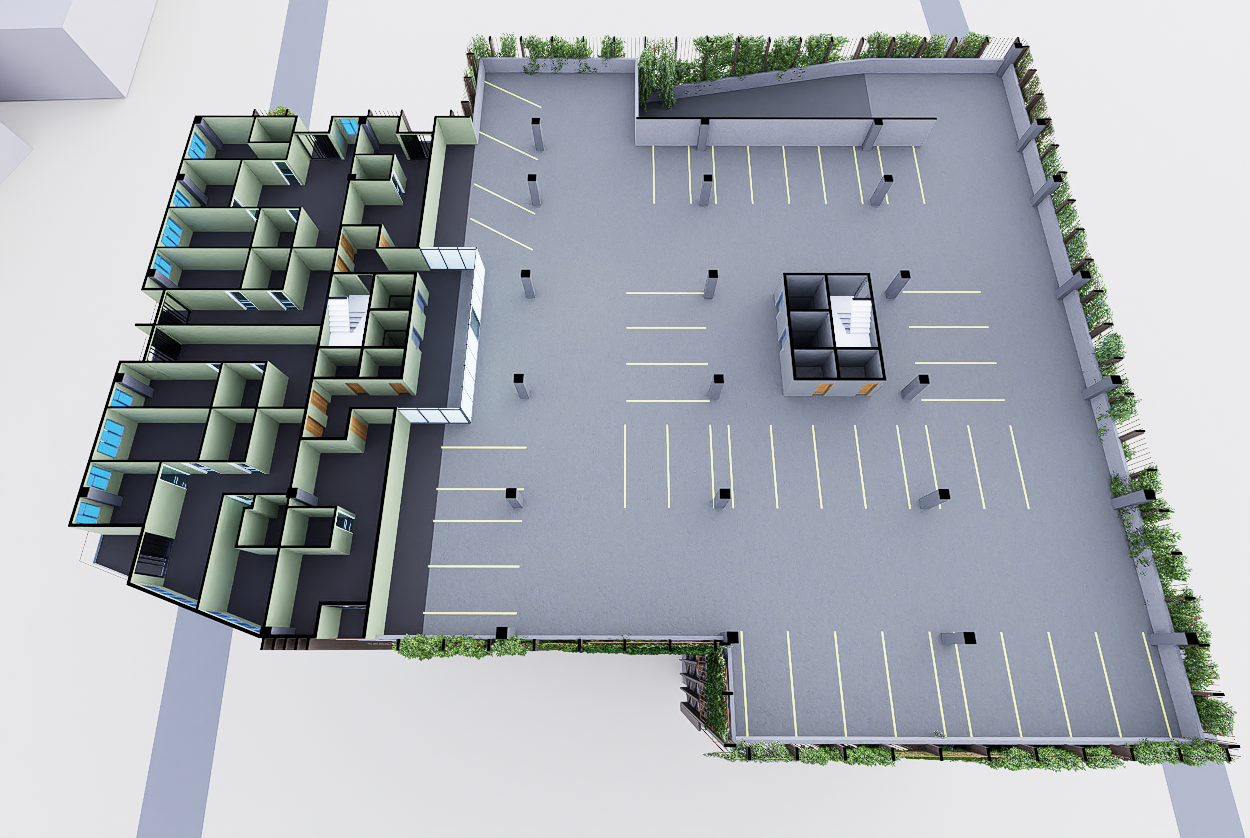
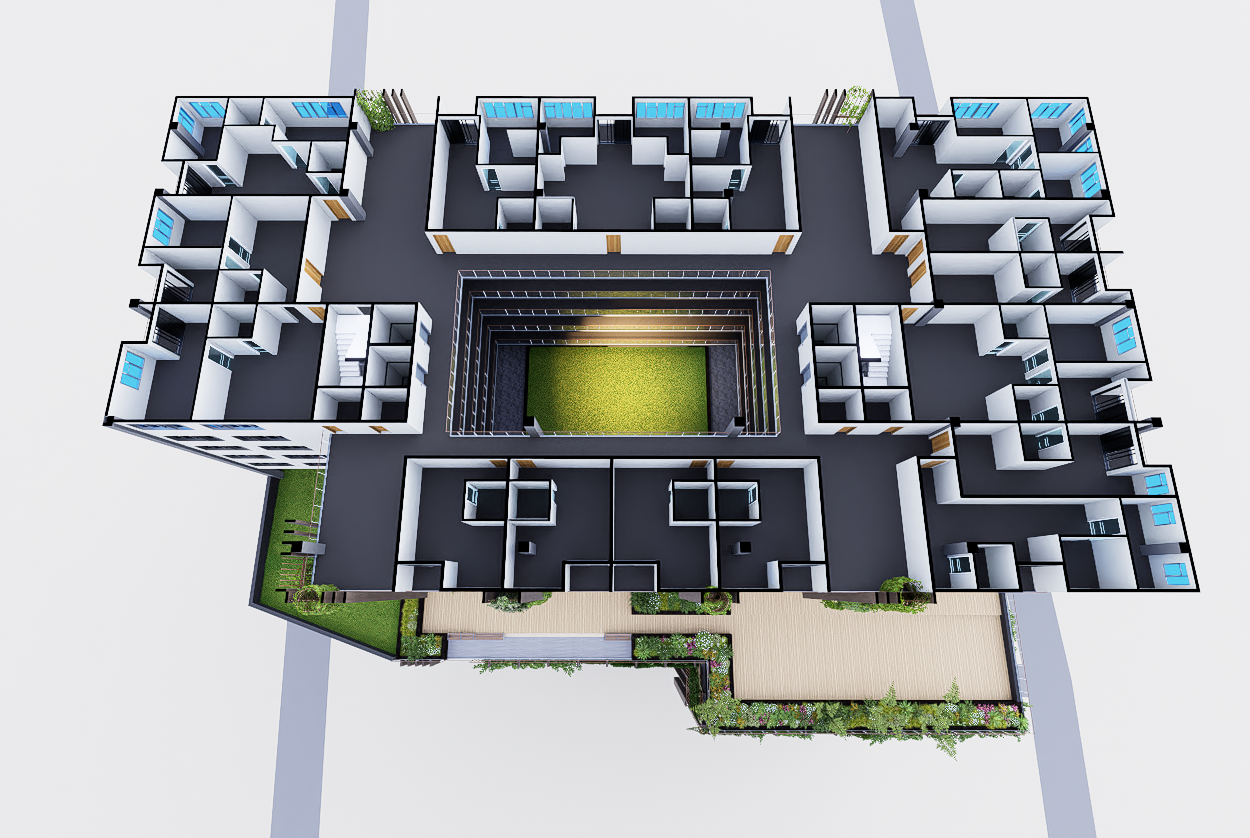
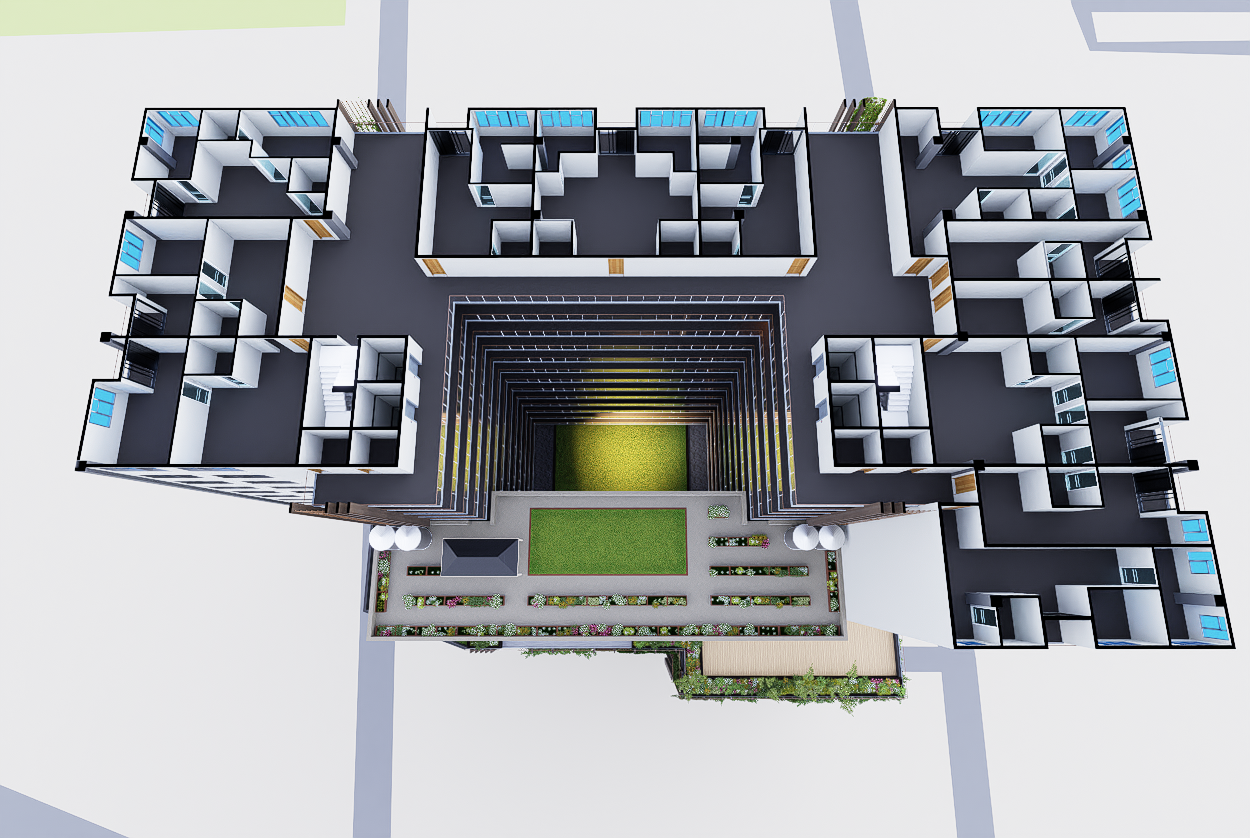
Hale Nā Kōnāhuanui is a 28-story condominium comprising 256 residential units, ranging from studios to three-bedroom units, and 373 parking stalls. The development also features a range of community-oriented amenities, including (1) a preschool, (2) retail and marketplace spaces, (3) a central amenity area with a courtyard (piko), multipurpose studio, fitness center, BBQ area, playground, and swimming pool, and (4) a rooftop garden atop the south tower.
Supported by the Department of Hawaiian Home Lands (DHHL), the project carries forward the vision of Prince Jonah Kūhiō Kalaniana‘ole by exploring how Native Hawaiians may be returned to the land within Honolulu’s urban core, where infrastructure, transportation, services, schools, employment, and community resources are already established.
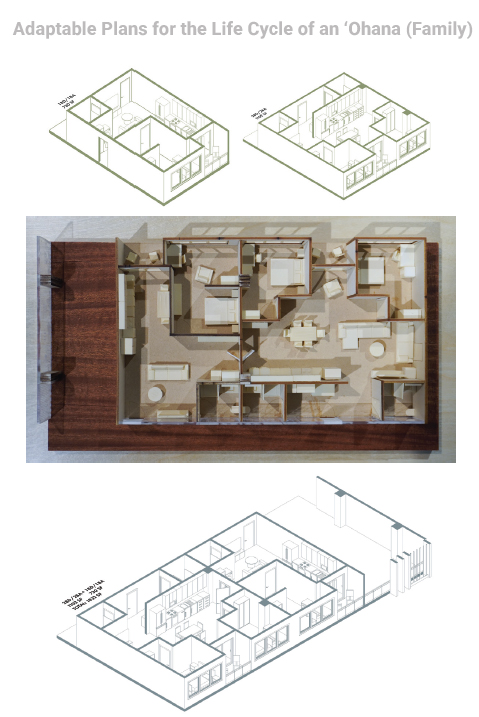
Rather than treating land return only as a rural or suburban question, this project asks how Hawaiian homelands can support a new model of urban belonging, cultural continuity, and multi-generational living in the city.
Our understanding of where we live
is not so philosophical but rather pragmatic
Understanding urban environment with quantifiable measures has been the source of debates
Well then becomes the one of heated discussions … now possiblly the one of main trends